
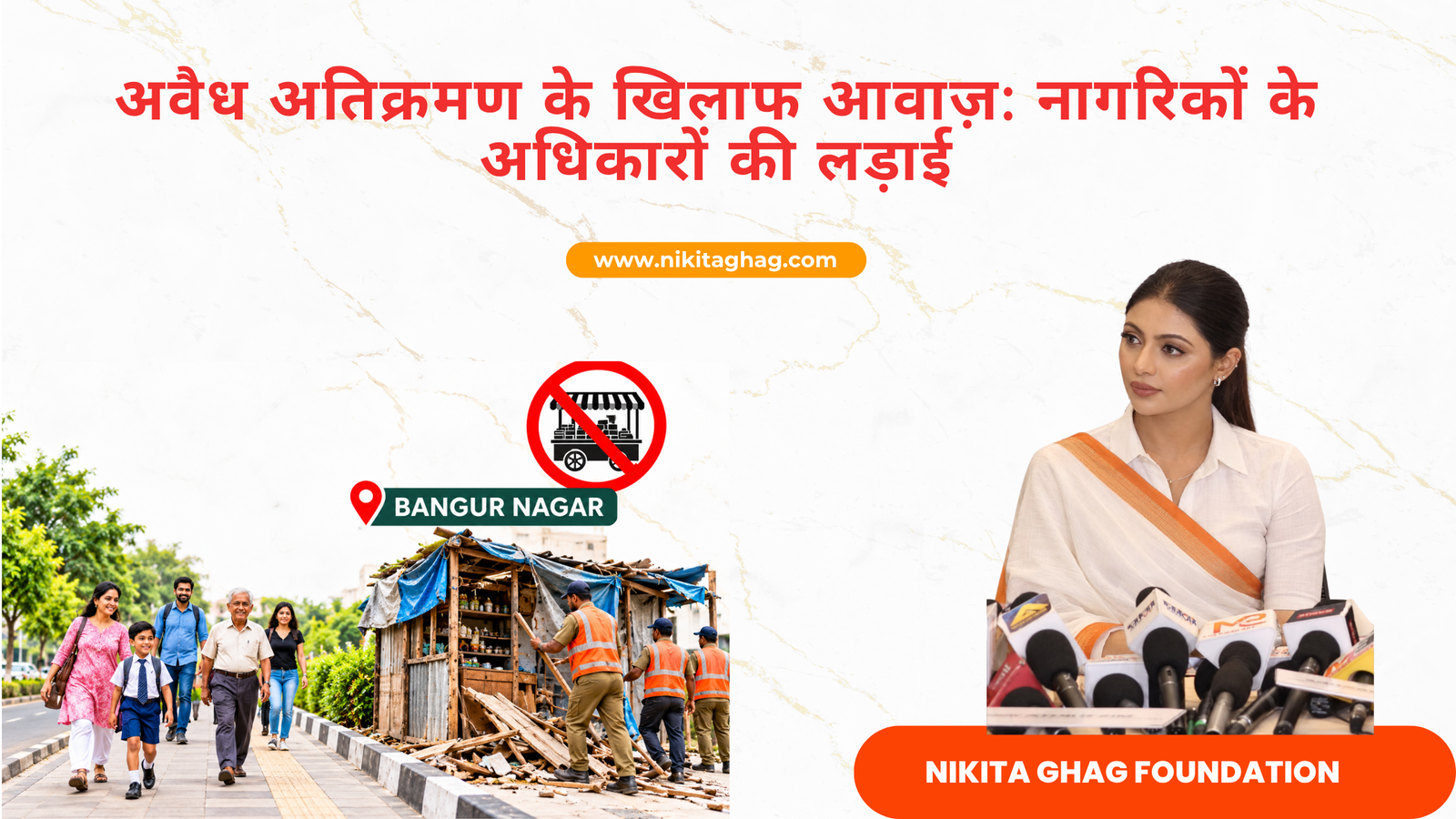
अवैध अतिक्रमण के खिलाफ आवाज़: नागरिकों के अधिकारों की लड़ाई शहर सिर्फ इमारतों, सड़कों और बाज़ारों से नहीं बनता—वह उन लोगों से बनता है जो वहाँ रहते हैं, चलते हैं, काम करते हैं और अपने बच्चों के लिए एक सुरक्षित भविष्य चाहते हैं। गोरेगाँव के राम मंदिर क्षेत्र और बंगूर नगर के निवासियों की यही आवाज़ अब एक सामूहिक आंदोलन बन रही है: साफ, सुरक्षित और सबके लिए सुलभ सार्वजनिक स्थानों की मांग। एक आम नागरिक की दैनिक परेशानी राम मंदिर इलाके और बंगूर नगर में फुटपाथ अक्सर अतिक्रमण, अवैध पार्किंग, दुकानों के विस्तार और अन्य बाधाओं से घिरे रहते हैं। इसका असर सबसे ज्यादा उन पर पड़ता है जो रोज़ पैदल चलते हैं—बच्चे, बुज़ुर्ग, महिलाएँ, दिव्यांग व्यक्ति और ऑफिस जाने वाले लोग। जब फुटपाथ उपलब्ध नहीं होता, तो लोग सड़क पर चलने के लिए मजबूर हो जाते हैं, जहाँ तेज़ वाहनों के बीच हर कदम जोखिम बन जाता है। बंगूर नगर के निवासियों ने समय-समय पर बताया है कि संकरी गलियों में दोनों तरफ गाड़ियाँ खड़ी होने से पैदल चलने की जगह छिन जाती है। कई जगह फुटपाथ है ही नहीं, और जहाँ है, वहाँ भी वाहनों व अन्य अवरोधों के कारण उसका उपयोग मुश्किल हो जाता है। निकिता घाग की पहल इसी संघर्ष में निकिता घाग फाउंडेशन की ओर से निकिता घाग ने गोरेगाँव राम मंदिर क्षेत्र और बंगूर नगर के निवासियों की आवाज़ बुलंद की है। उनका मकसद किसी से टकराव नहीं, बल्कि जवाबदेही है—यह सुनिश्चित करना कि नागरिकों को उनका बुनियादी अधिकार मिले: चलने लायक फुटपाथ, सुरक्षित सड़कें, स्वच्छ वातावरण और सभी के लिए सुलभ सार्वजनिक स्थान। निकिता घाग का मानना है कि शिकायत करना आसान है, पर लगातार पीछा करना, अधिकारियों से बात करना, निवासियों को एकजुट करना और समाधान तक पहुँचना असली जिम्मेदारी है। यह पहल उन लोगों के लिए है जो चुपचाप रोज़ की असुविधा झेलते रहे—स्कूल जाते बच्चों से लेकर बाज़ार जाने वाले बुज़ुर्गों तक। सिर्फ फुटपाथ नहीं, गरिमा का सवाल फुटपाथ कोई “एक्स्ट्रा सुविधा” नहीं है; वह शहरी जीवन की एक आवश्यक आवश्यकता है। मुंबई में बड़ी संख्या में लोग रोज़ पैदल यात्रा करते हैं, इसलिए अवरोध-रहित, सुरक्षित और सुलभ फुटपाथ उपलब्ध कराना नागरिक निकाय की जिम्मेदारी है। गोरेगाँव के कई हिस्सों में अतिक्रमण हटाने और पैदल चलने वालों के लिए जगह वापस दिलाने के प्रयास हुए हैं। राम मंदिर रोड सहित आसपास के इलाकों में अवैध स्टॉल, अस्थायी ढाँचे और फुटपाथ पर कब्ज़ा करने वाली वस्तुओं के खिलाफ कार्रवाई की गई है, ताकि पैदल चलने वालों को सुरक्षित मार्ग मिल सके। लेकिन एक बार कार्रवाई पर्याप्त नहीं है। असली बदलाव तब आएगा जब अतिक्रमण की रोकथाम, नियमित निगरानी, स्पष्ट सार्वजनिक जगह की पहचान और निवासियों की शिकायतों पर समयबद्ध कार्रवाई एक नियम बन जाए। बंगूर नगर: खुली जगह की मांग बंगूर नगर की समस्या केवल फुटपाथ तक सीमित नहीं है। यहाँ के लोग वर्षों से खुले स्थान, बच्चों के खेलने के लिए मैदान और बुज़ुर्गों के लिए सैर की जगह की मांग करते आए हैं। विकास योजना में चिह्नित खुले स्थान को व्यवहार में उपलब्ध कराना भी नागरिक अधिकारों का हिस्सा है। जब बच्चों के लिए खेलने की जगह नहीं होती, बुज़ुर्गों के लिए बैठने-टहलने की जगह नहीं होती, और हर ओर वाहन या अतिक्रमण हो, तो शहर अपने निवासियों की जरूरतों से पीछे छूट जाता है। निकिता घाग फाउंडेशन इसी खाली जगह को भरने की कोशिश कर रही है—नागरिकों को यह याद दिलाकर कि सार्वजनिक संपत्ति सबकी है और उसकी रक्षा सबकी जिम्मेदारी है। नागरिक जिम्मेदारी भी जरूरी यह लड़ाई केवल प्रशासन से अपेक्षा की नहीं है। नागरिकों को भी मिलकर काम करना होगा: आशा की राह गोरेगाँव राम मंदिर क्षेत्र और बंगूर नगर के निवासियों की यह लड़ाई किसी एक व्यक्ति की नहीं है। यह उन सभी की लड़ाई है जो चाहते हैं कि उनके बच्चे बिना डर के स्कूल जाएँ, बुज़ुर्ग बिना रुकावट के टहल सकें, और हर नागरिक को उसका हक—एक सुरक्षित, स्वच्छ और सुलभ शहर—मिले। निकिता घाग फाउंडेशन का संदेश सरल है: सार्वजनिक जगह सबकी है, और उसकी रक्षा हम सबकी जिम्मेदारी है। जब नागरिक आवाज़ उठाते हैं, जागरूक होते हैं और एकजुट रहते हैं, तो अवैध अतिक्रमण के खिलाफ यह लड़ाई केवल शिकायत नहीं रहती—वह बदलाव की दिशा बन जाती है।
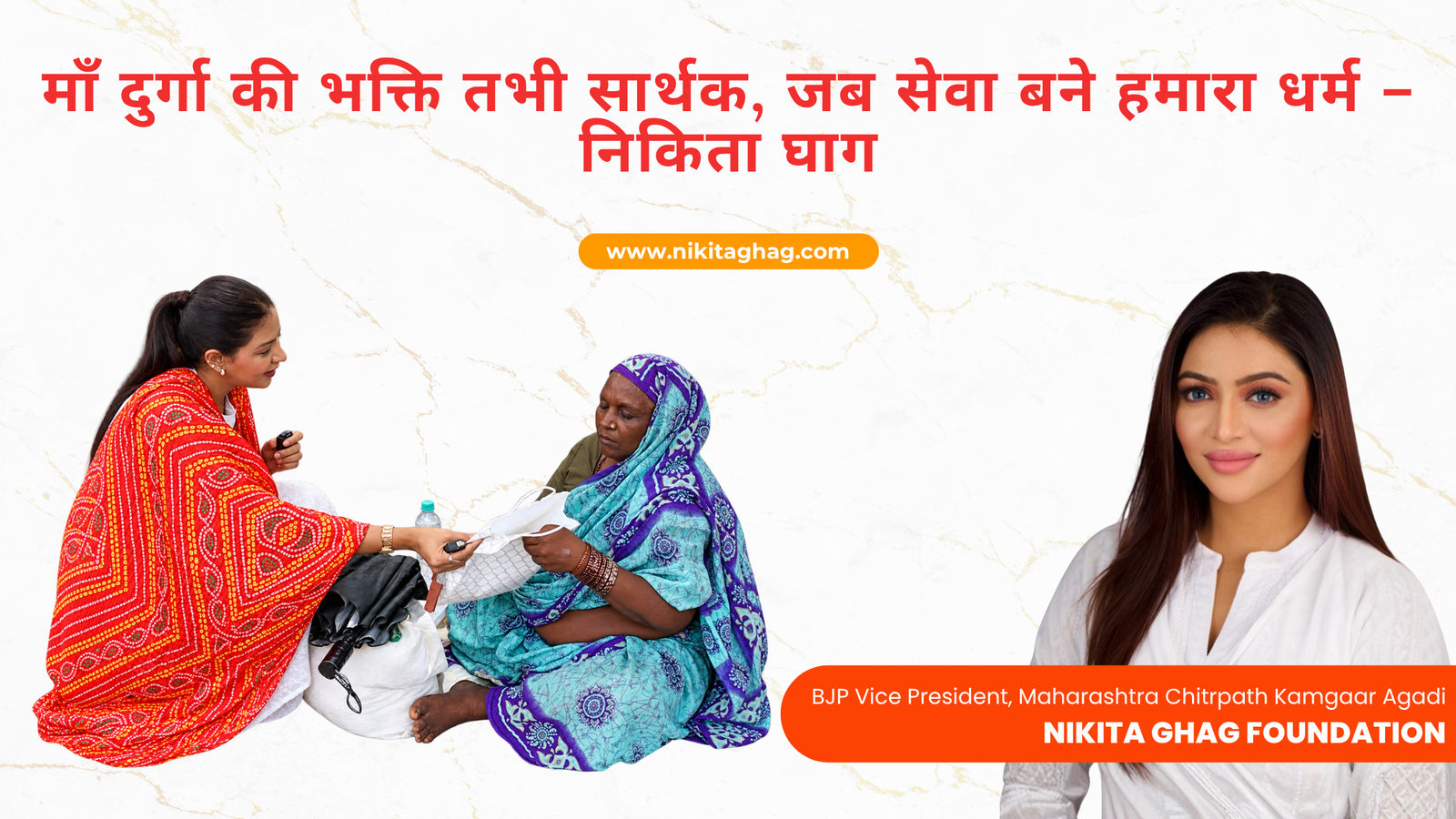
माँ दुर्गा की भक्ति तभी सार्थक, जब सेवा बने हमारा धर्म – निकिता घाग
नवरात्रि के दिनों में हर तरफ माँ दुर्गा की भक्ति का रंग दिखता है। कुछ लोग व्रत रखते हैं, कुछ जागरण करते हैं, तो कुछ मंदिरों में दर्शन के लिए जाते हैं। लेकिन अभिनेत्री, समाजसेवी और DAWA India की संस्थापक निकिता घाग का मानना है कि भक्ति का असली परीक्षण पूजा के बाहर होता है-हमारे कर्मों में। माँ दुर्गा हमें केवल शक्ति नहीं, बल्कि करुणा, साहस और जिम्मेदारी भी सिखाती हैं। इसलिए जब हम किसी जरूरतमंद की मदद करते हैं, किसी बेजुबान की रक्षा करते हैं या किसी पीड़ित के लिए आवाज उठाते हैं, तभी हमारी भक्ति सच्चे अर्थों में सार्थक बनती है। भक्ति सिर्फ पूजा नहीं, सेवा है आज के समय में भक्ति को अक्सर सिर्फ अनुष्ठानों तक सीमित कर दिया जाता है। लेकिन माँ दुर्गा की उपासना का संदेश इससे कहीं गहरा है। वे हमें यह सिखाती हैं कि शक्ति का सही उपयोग दूसरों की रक्षा और सेवा के लिए होना चाहिए। जब हम भूखे को भोजन देते हैं, बेसहारा जानवर पानी-भोजन देते हैं, किसी असहाय व्यक्ति की मदद करते हैं या समाज के लिए कुछ अच्छा करते हैं, तो यही हमारी सबसे बड़ी पूजा बन जाती है। निकिता घाग के अनुसार, धर्म केवल मंदिर जाना या पूजा-पाठ करना नहीं है; धर्म वह है जो हमें दूसरों के लिए संवेदनशील बनाए। निकिता घाग: जिन्होंने भावना को काम में बदला निकिता घाग का नाम केवल अभिनय और राजनीति से नहीं, बल्कि समाजसेवा और पशु कल्याण से भी जुड़ा है। वे एक अभिनेत्री, राजनीतिक कार्यकर्ता, लेखिका और समाजसेवी हैं। उन्होंने 2014 में मात्र 21 वर्ष की उम्र में DAWA India की स्थापना की, जो बेसहारा और पीड़ित जानवरों की रक्षा, उपचार तथा पुनर्वास के लिए काम करता है। DAWA India ने अब तक हजारों आपातकालीन रेस्क्यू, स्टेरलाइजेशन और गोद लेने के कार्य किए हैं। साथ ही, स्कूलों और कॉलेजों में जानवरों के प्रति दया और जिम्मेदारी की समझ बढ़ाने के लिए जागरूकता कार्यक्रम भी चलाए गए हैं। निकिता घाग का यह काम यह दिखाता है कि अगर हमारे अंदर सच्ची करुणा है, तो उसे केवल भावना नहीं रहने देना चाहिए-उसे कार्य में बदलना चाहिए। माँ दुर्गा की शक्ति का सही अर्थ माँ दुर्गा को हम शक्ति की देवी मानते हैं। लेकिन उनकी शक्ति केवल असुरों का वध करने या युद्ध जीतने की नहीं है। उनकी शक्ति यह भी है कि वे कमजोर की रक्षा करती हैं, अन्याय के खिलाफ खड़ी होती हैं और संकट में लोगों की मदद करती हैं। निकिता घाग का जीवन इसी संदेश को जीता है। उन्होंने अपनी पहचान को केवल मनोरंजन तक सीमित नहीं रखा। वे बेजुबान जानवरों के लिए आवाज बनीं और समाज में करुणा फैलाने का काम किया। उनका मानना है कि जब हम किसी असहाय जीव की मदद करते हैं, तो वह भी माँ दुर्गा की सेवा है। इस नवरात्रि सेवा का संकल्प लें इस नवरात्रि हम सिर्फ पूजा नहीं, बल्कि कुछ छोटे लेकिन असरदार संकल्प भी ले सकते हैं: ये छोटे-छोटे कदम ही माँ दुर्गा की भक्ति को जीवन में उतारने का तरीका हैं। निकिता घाग का संदेश सरल है, लेकिन बेहद प्रेरणादायक है-“माँ दुर्गा की भक्ति तभी सार्थक है, जब सेवा बने हमारा धर्म।” जब हमारी पूजा में श्रद्धा हो, हमारे वचनों में सच्चाई हो और हमारे कर्मों में करुणा हो, तभी नवरात्रि की उपासना पूर्ण होती है। इस बार माँ दुर्गा से सिर्फ मनोकामना नहीं, यह भी प्रार्थना करें कि हमें दूसरों की सेवा करने की शक्ति और हिम्मत प्राप्त हो।
बंगुर नगर में अवैध गतिविधियों के खिलाफ निकिता घाग की मुहिम, नागरिकों की सुरक्षा सर्वोपरि
बंगुर नगर के निवासियों की सुरक्षा, सम्मान और सुविधा को लेकर सामाजिक कार्यकर्ता निकिता घाग लगातार सक्रिय हैं। इलाके में बढ़ती अवैध गतिविधियों, अतिक्रमण और नागरिक सुविधाओं में बाधा के खिलाफ उनकी मुहिम का उद्देश्य है-हर नागरिक को सुरक्षित और गरिमापूर्ण वातावरण दिलाना। नागरिक सुरक्षा का मुद्दा किसी भी इलाके का विकास तभी सार्थक होता है, जब वहां रहने वाले लोग सुरक्षित महसूस करें। बंगुर नगर में अवैध गतिविधियों, सार्वजनिक जगहों पर कब्जे और निगरानी की कमी से निवासियों-विशेष रूप से महिलाओं, बच्चों और बुजुर्गों-को चिंता होती है। निकिता घाग का मानना है कि सुरक्षा केवल पुलिस की जिम्मेदारी नहीं, बल्कि प्रशासन, नागरिक समाज और स्थानीय प्रतिनिधियों की साझा जिम्मेदारी है। इसलिए वे निवासियों की शिकायतों को उठाकर संबंधित अधिकारियों से ठोस कार्रवाई की मांग कर रही हैं। अवैध गतिविधियों के खिलाफ आवाज बंगुर नगर में अतिक्रमण, सार्वजनिक स्थानों का दुरुपयोग और अवैध गतिविधियां आम नागरिकों की दैनिक जिंदगी को प्रभावित करती हैं। ऐसी स्थिति में लोगों को आवागमन, सुरक्षा और स्वच्छता से जुड़ी समस्याओं का सामना करना पड़ता है। निकिता घाग की पहल का उद्देश्य यह सुनिश्चित करना है कि कानून-व्यवस्था का पालन हो, सार्वजनिक जगहें नागरिकों के लिए खुली रहें और अवैध गतिविधियों में शामिल लोगों के खिलाफ नियमानुसार कार्रवाई हो। उनका संघर्ष किसी व्यक्ति विशेष के विरुद्ध नहीं, बल्कि व्यवस्था और जवाबदेही के पक्ष में है। निकिता घाग की पहल निकिता घाग एक अभिनेत्री, समाजसेवी और राजनीतिक कार्यकर्ता के रूप में जानी जाती हैं। उनका काम महिला सुरक्षा, युवा रोजगार, डिजिटल साक्षरता, मानसिक स्वास्थ्य जागरूकता और स्वच्छता जैसे मुद्दों से जुड़ा रहा है। बंगुर नगर के निवासियों के लिए वे नियमित रूप से उनकी समस्याएं उठाती हैं और प्रशासनिक स्तर पर समाधान की मांग करती हैं। निवासी उन्हें अपने परिवार का हिस्सा मानते हैं, क्योंकि वे केवल मुद्दे उठाने तक सीमित नहीं रहतीं, बल्कि समाधान के लिए लगातार संघर्ष करती हैं। निवासियों की अपेक्षा बंगुर नगर के लोग चाहते हैं कि अवैध गतिविधियों पर रोक लगाई जाए, सार्वजनिक जगहों को कब्जे से मुक्त कराया जाए और इलाके में सुरक्षा व्यवस्था मजबूत की जाए। साथ ही, स्ट्रीट लाइट, सीसीटीवी निगरानी, नियमित गश्ती और शिकायत निवारण व्यवस्था को प्रभावी बनाने की मांग भी है। नागरिकों का मानना है कि जब तक प्रशासन और समाज मिलकर काम नहीं करेगा, तब तक अवैध गतिविधियों को पूरी तरह रोकना मुश्किल रहेगा। इसलिए निकिता घाग की मुहिम केवल विरोध नहीं, बल्कि एक सकारात्मक बदलाव की पहल है। सुरक्षित बंगुर नगर की दिशा एक सुरक्षित इलाका वह है, जहां महिलाएं बिना डर के चल सकें, बच्चे खुले माहौल में खेल सकें और बुजुर्ग बिना चिंता के अपने दैनिक काम कर सकें। निकिता घाग की मुहिम इसी दिशा में बंगुर नगर को एक सुरक्षित, स्वच्छ और व्यवस्थित क्षेत्र बनाने की ओर बढ़ रही है। नागरिकों की सुरक्षा सर्वोपरि हैऔर यह तभी संभव है, जब अवैध गतिवियों पर रोक लगाई जाए, जिम्मेदार अधिकारी सक्रिय हों और निवासी अपनी आवाज बुलंद करते रहें। निकिता घाग का संघर्ष इसी बदलाव की ओर एक महत्वपूर्ण कदम है।
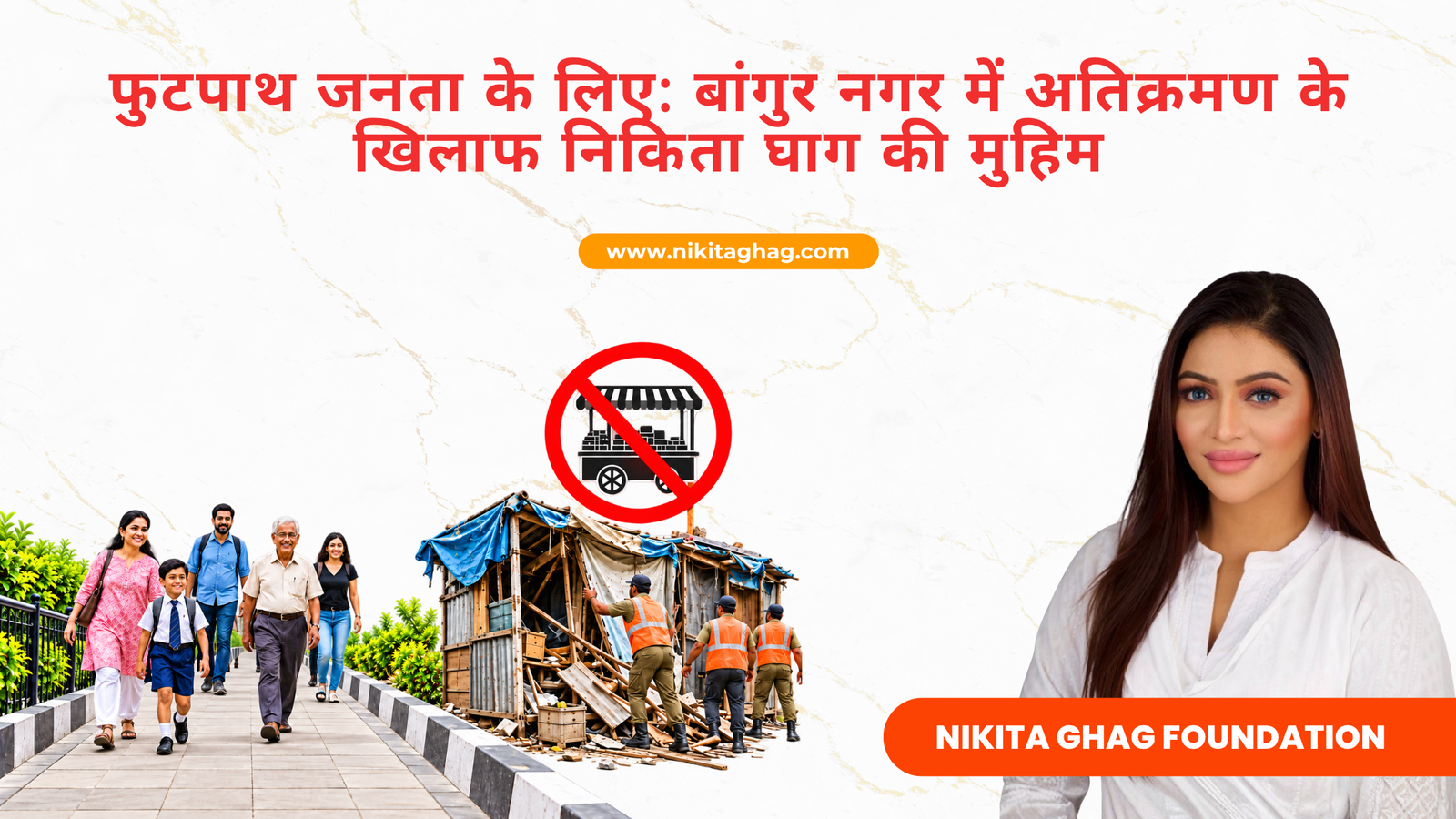
फुटपाथ जनता के लिए: बांगुर नगर में अतिक्रमण के खिलाफ निकिता घाग की मुहिम
बांगुर नगर के निवासियों के लिए फुटपाथ केवल एक पत्थर की पट्टी नहीं, बल्कि सुरक्षित आवागमन और गरिमापूर्ण जीवन का आधार है। इसी चिंता को लेकर सामाजिक कार्यकर्ता निकिता घाग ने फुटपाथ पर बढ़ते अतिक्रमण के खिलाफ मुहिम तेज की है, ताकि पैदल चलने वालों को उनका अधिकार वापस मिल सके। फुटपाथ पर कब्जा: आम नागरिक की समस्या बांगुर नगर के कई हिस्सों में फुटपाथ का बड़ा हिस्सा हॉकरों, दुकानों, सामान रखने और अनधिकृत कब्जे के कारण व्यस्त रहता है। इससे बच्चे, बुजुर्ग, वरिष्ठ नागरिक और ऑफिस जाने वाले लोग सड़क किनारे चलने के लिए मजबूर हो जाते हैं, जिससे दुर्घटना का खतरा लगातार बढ़ता है। फुटपाथ पर पहला अधिकार पैदल चलने वालों का है। जब वही जगह दुकानों, गाड़ियों या अन्य अवरोधों से घेर ली जाती है, तो आम नागरिक को सड़क पर उतरना पड़ता है-और यही स्थिति सड़क सुरक्षा के लिए सबसे बड़ी चुनौती बन जाती है। सुप्रीम कोर्ट का स्पष्ट आदेश सुप्रीम कोर्ट ने स्पष्ट किया है कि पैदल यात्रियों को सुरक्षित, स्पष्ट और अतिक्रमण-मुक्त फुटपाथ मिलना उनका मौलिक अधिकार है। अदालत ने कहा है कि जहां भी सड़क है, वहां पैदल चलने के लिए अलग जगह होनी चाहिए और उस पर किसी प्रकार का कब्जा नहीं होना चाहिए। कोर्ट ने यह भी कहा कि इसके लिए बड़े बजट या भारी निर्माण की जरूरत नहीं है; अधिकारियों को पैदल यात्री मार्ग की सही सीमांकन करनी चाहिए और उसे वाहनों तथा अनधिकृत अवरोधों से मुक्त रखना चाहिए। यह आदेश बांगुर नगर जैसे इलाकों में फुटपाथ को वापस जनता के लिए खाली कराने का मजबूत आधार बनता है। दुर्घटनाओं का बढ़ता खतरा फुटपाथ खाली न होने पर लोग सीधे सड़क पर चलने को मजबूर होते हैं। तेज चलती गाड़ियों, ऑटो, बसों और दोपहिया वाहनों के बीच चलना वरिष्ठ नागरिकों, स्कूल जाने वाले बच्चों और महिलाओं के लिए विशेष रूप से खतरनाक हो जाता है। सुप्रीम कोर्ट की कार्यवाही भी एक ऐसी सड़क दुर्घटना के बाद शुरू हुई, जिसमें फुटपाथ की कमी के कारण एक बच्चे की जान चली गई थी। यह घटना दर्शाती है कि फुटपाथ केवल सुविधा नहीं, बल्कि जीवन रक्षा का मामला है। निकिता घाग की पहल निकिता घाग लगातार बांगुर नगर के निवासियों की समस्याओं को उठा रही हैं और फुटपाथ अतिक्रमण हटाने के लिए संबंधित अधिकारियों से कार्रवाई की मांग कर रही हैं। उनका उद्देश्य स्पष्ट है-फुटपाथ को हॉकरों और अनधिकृत कब्जे से मुक्त कराकर पैदल चलने वालों को सुरक्षित रास्ता दिलाना। बांगुर नगर के लोग निकिता घाग को अपने परिवार जैसा मानते हैं, क्योंकि वे निवासियों की दैनिक समस्याओं को केवल मुद्दा नहीं, बल्कि अपनी जिम्मेदारी मानकर काम करती हैं। उनकी मुहिम का उद्देश्य किसी के विरुद्ध नहीं, बल्कि हर नागरिक की सुरक्षा, सम्मान और सुविधा सुनिश्चित करना है। हॉकरों को हटाना क्यों जरूरी? फुटपाथ पर अतिक्रमण करने वाले हॉकरों को हटाना जरूरी है, क्योंकि उनका कब्जा पैदल यात्रियों के लिए उपलब्ध जगह को सीमित कर देता है। सुप्रीम कोर्ट ने भी साफ कहा है कि फुटपाथ पर दुकानों या अन्य संरचनाओं का कब्जा नहीं होना चाहिए। यह मांग किसी के रोजगार का विरोध नहीं है, बल्कि यह तय करने की मांग है कि व्यापार और हॉकिंग निर्धारित स्थानों पर हो, जबकि फुटपाथ पूरी तरह पैदल चलने वालों के लिए खुला रहे। इससे दोनों पक्षों के अधिकारों का संतुलन बन सकता है और सड़क दुर्घटनाओं को रोकने में मदद मिलेगी। निवासियों की अपेक्षा बांगुर नगर के निवासियों की मांग है कि निगम और संबंधित प्रशासनिक अधिकारी सुप्रीम कोर्ट के निर्देशों का पालन करते हुए फुटपाथ से अतिक्रमण हटाएं। साथ ही, नियमित निगरानी, साफ-सफाई, प्रकाश व्यवस्था और पैदल यात्री मार्ग की स्पष्ट सीमांकन भी आवश्यक है। निकिता घाग की पहल यह संदेश देती है कि जब नागरिक अपने अधिकारों के लिए एकजुट होते हैं, तो प्रशासन को भी जवाबदेह बनना पड़ता है। फुटपाथ जनता का है-और इसे जनता के लिए ही सुरक्षित, खुला और अतिक्रमण-मुक्त रखा जाना चाहिए। निष्कर्ष बांगुर नगर में फुटपाथ अतिक्रमण केवल एक नागरिक शिकायत नहीं, बल्कि जीवन और सुरक्षा से जुड़ा गंभीर मुद्दा है। निकिता घाग की लगातार मुहिम निवासियों की आवाज बनकर उभरी है और यह मांग करती है कि सुप्रीम कोर्ट के आदेश के अनुसार फुटपाथ से हॉकरों व अनधिकृत कब्जे को हटाया जाए। एक सुरक्षित फुटपाथ हर नागरिक को सड़क दुर्घटना से बचाता है, बुजुर्गों और बच्चों को आत्मविश्वास देता है, और शहर को अधिक जीवंत बनाता है। इसलिए “फुटपाथ जनता के लिए” केवल एक नारा नहीं, बल्कि बांगुर नगर के हर निवासी की जरूरत है।
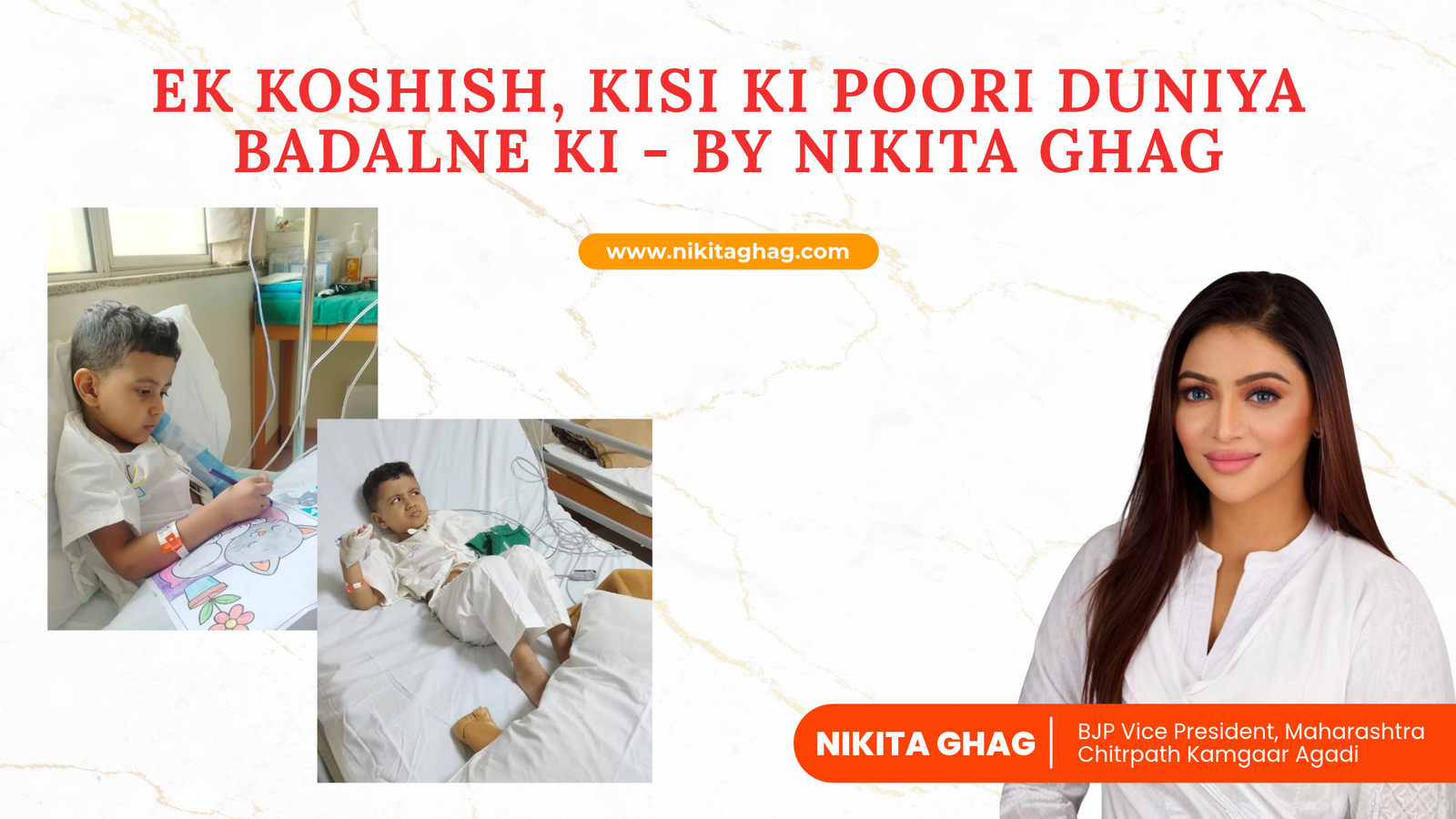
Ek Koshish, Kisi Ki Poori Duniya Badalne Ki – By Nikita Ghag
Nikita Ghag ki yeh koshish ek maa-baap ke liye umeed ki kiran ban kar saamne aayi hai. Shivansh Dangare, jo PICU care mein treatment le rahe hain, unki medical treatment aur overall expenses ke liye ₹40,00,000 ki zarurat hai. Is mushkil waqt mein Nikita Ghag ne parivaar ki madad ke liye fundraising initiative shuru kiya hai. Unka yeh kadam sirf financial support collect karne tak seemit nahi hai, balki ek masoom bachche ki zindagi bachane ki insani zimmedari ko bhi darshata hai. Ek taraf Shivansh apni zindagi ke liye lad rahe hain, toh doosri taraf unka parivaar medical expenses ke bade bojh ka saamna kar raha hai. Aise samay mein Nikita Ghag ne aage badhkar unki madad karne ka faisla liya. Unki mehnat, samvedansheelta aur seva-bhav ne is campaign ko ek meaningful purpose diya hai. Humanity Ke Liye Unki Mehnat Nikita Ghag ka social work unki commitment ko dikhata hai. Woh zaruratmand logon aur be-zubaan jaanwaron ki madad ke liye lagataar kaam karti rahi hain. Nikita Ghag Foundation ki founder aur DAWA India ki founder ke roop mein woh samajik seva aur animal welfare ke areas mein apna yogdan de rahi hain. Unka maanna hai ki madad chhoti ya badi nahi hoti-madad sirf madad hoti hai. Kisi ki medical emergency mein saath dena, kisi parivaar ko emotional support dena ya kisi be-zubaan jaanwar ki jaan bachana-har effort ki apni value hoti hai. Shivansh Ke Liye Aapki Madad Zaroori Hai Shivansh ke treatment ke liye ₹40,00,000 raise karne ka goal rakha gaya hai. Aapka contribution, chahe chhota ho ya bada, unke treatment aur recovery mein significant difference la sakta hai. Aap is noble cause mein apna yogdan dekar Shivansh aur unke parivaar ka sahara ban sakte hain. Aapki madad unke ilaaj ko continue karne, medical expenses manage karne aur unhe behtar recovery ka mauka dene mein helpful ho sakti hai. Ek Chhoti Madad, Bada Asar Kabhi-kabhi ₹100, ₹500 ya ₹1,000 ka contribution bhi kisi ke liye bahut bada sahara ban sakta hai. Jab kai log milkar ek parivaar ki madad karte hain, toh mushkil se mushkil situation mein bhi umeed zinda rehti hai. Aaiye, Nikita Ghag ke is humanitarian initiative ka hissa banein aur Shivansh ki recovery ke liye apna support dein. Aapka ek contribution kisi bachche ki zindagi mein ek nayi umeed la sakta hai. UPI ID: modavelaindia.eazypay1@icici Scan karke donate karein aur Shivansh ke ilaaj mein apna yogdan dein.
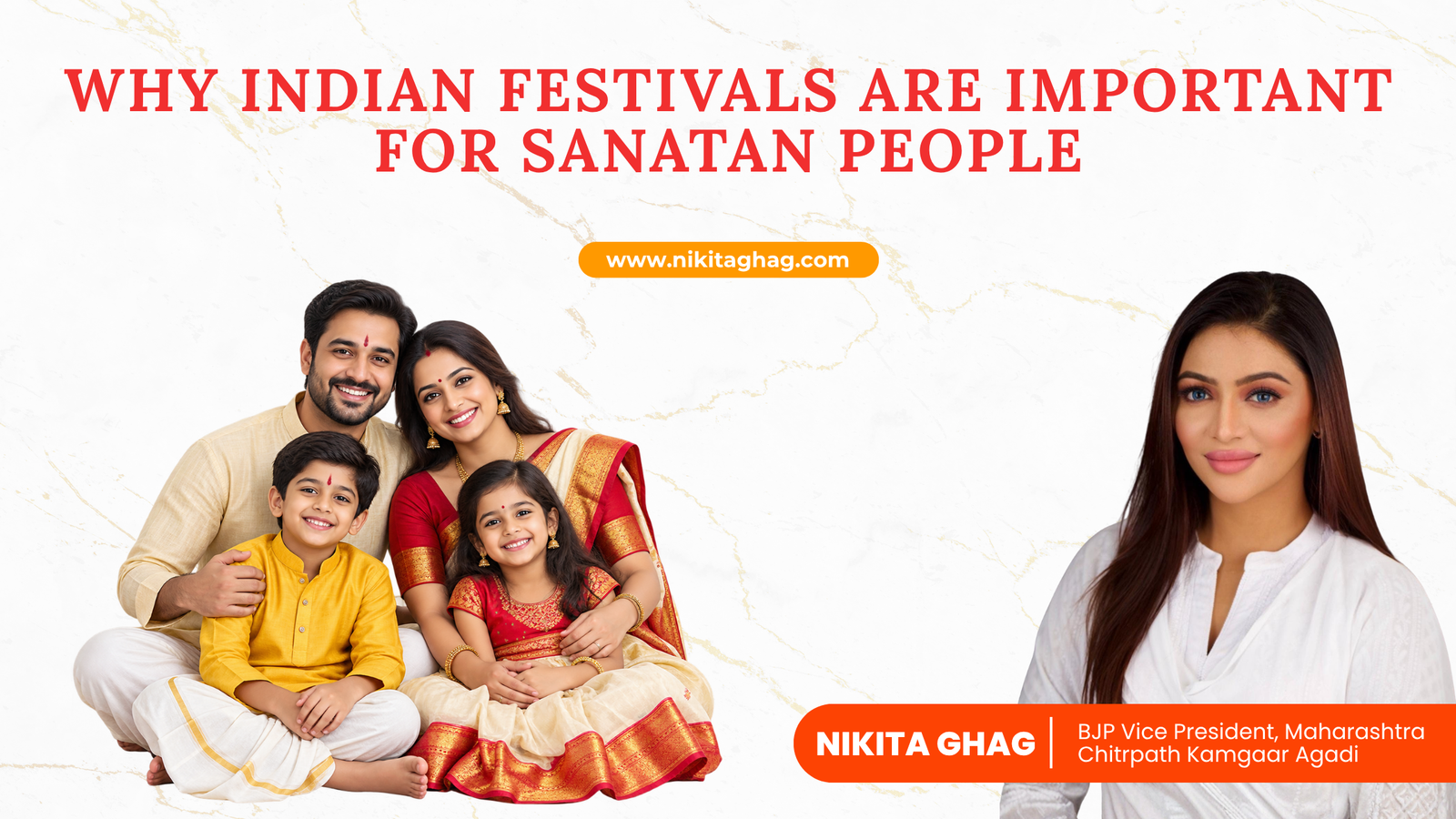
Why Indian Festivals Are Important for Sanatan People
Sanatan Dharma follow karne walon ke liye Indian festivals sirf “tyohar” nahi, life ka ek core system hain. Yeh unki faith, identity, values aur daily routine sab ko shape karte hain. Neeche simple points mein samjha gaya hai ki Indian festivals Sanatan logon ke liye itne important kyun haian. 1. Festivals = Sanatan Faith ko Feel Karne ka Zariya Sanatan logon ke liye festivals: Bina festivals ke faith sirf theory lag sakta hai. Festivals uss faith ko live, tangible aur personal bana dete hain. 2. Dharma aur Values ko Har Saal Refresh Karna Sanatan maanta hai ki insaan bhoolne wala jeev hai.Isliye festivals ek annual reminder system ki tarah kaam karte hain: Har saal same stories, same values, same rituals repeat hote hain – taaki dharma, duty aur right conduct kabhi dimaag se na utre. 3. Spiritual Growth aur Inner Transformation Sanatan logon ke liye festivals sirf bahar se celebration nahi, andar se transformation hain: Festivals unhe ek fixed time dete hain jab woh: Isliye festivals Sanatan logon ke liye spiritual reboot hain. 4. Family, Community aur Belongingness Sanatan Dharma sirf individual salvation nahi, collective well-being bhi maanta hai.Festivals isi community feeling ko strong karte hain: Yeh sab ek strong belongingness create karta hai: “Hum ek bade spiritual family ka hissa hain.”Migration, busy life aur modernisation ke time bhi yeh connection festivals ke zariye zinda rehta hai. 5. Culture, Identity aur Roots se Judav Sanatan logon ke liye festivals unki cultural identity ka bhi hissa hain: Festivals ke bina Sanatan ka cultural fabric weak pad sakta hai.Isliye har tyohar unke liye sirf celebration nahi, apni identity ko celebrate karna bhi hota hai. 6. Women aur Family ke Spiritual Role ko Strengthen Karna Sanatan tradition mein women ko ghar ka spiritual anchor maana gaya hai.Festivals isi role ko naturally support aur strengthen karte hain: Isliye Sanatan logon ke liye festivals women’s spiritual leadership ko bhi reinforce karte hain, bina kisi loud claim ke. 7. Life ko Balance aur Celebration Dena Sanatan logon ke liye life sirf struggle nahi, celebration bhi honi chahiye.Festivals isi balance ko maintain karte hain: Festivals unhe yaad dilate hain: “Tum duty nibhao, par life ko celebrate karna mat bhoolo.”Isliye festivals Sanatan logon ke liye life-affirming hain, sirf rule-based nahi. 8. Mental, Emotional aur Physical Reset Sanatan logon ke liye festivals ek tarah ka holistic reset bhi hain: Yeh sab milkar unhe ek fresh start deta hai – jaise spiritual + mental + physical detox. Sanatan logon ke liye Indian festivals sirf chhutti nahi, unki faith, dharma, culture, family aur inner growth ka ek complete system hain.Festivals ke zariye hi Sanatan Dharma har generation mein zinda, relevant aur powerful banta rehta hai. Sanatan festivals sirf rituals ya celebrations tak limited nahi hote, balki ye humein apni roots, values aur identity se connected rakhte hain. Isi thought ko Nikita Ghag bhi apne social work aur apni book Roar Like a Lioness ke through highlight karti hain. Unka message hamesha self-confidence, inner strength aur strong values par focus karta hai. Jab hum apne festivals ko samajhkar celebrate karte hain, toh hum next generation ko sirf traditions nahi dete, balki unhe courage, discipline, respect aur apni culture par pride bhi sikhate hain. Isi tarah Sanatan festivals aur meaningful guidance milkar ek strong aur value-driven society banane mein important role play karte hain.
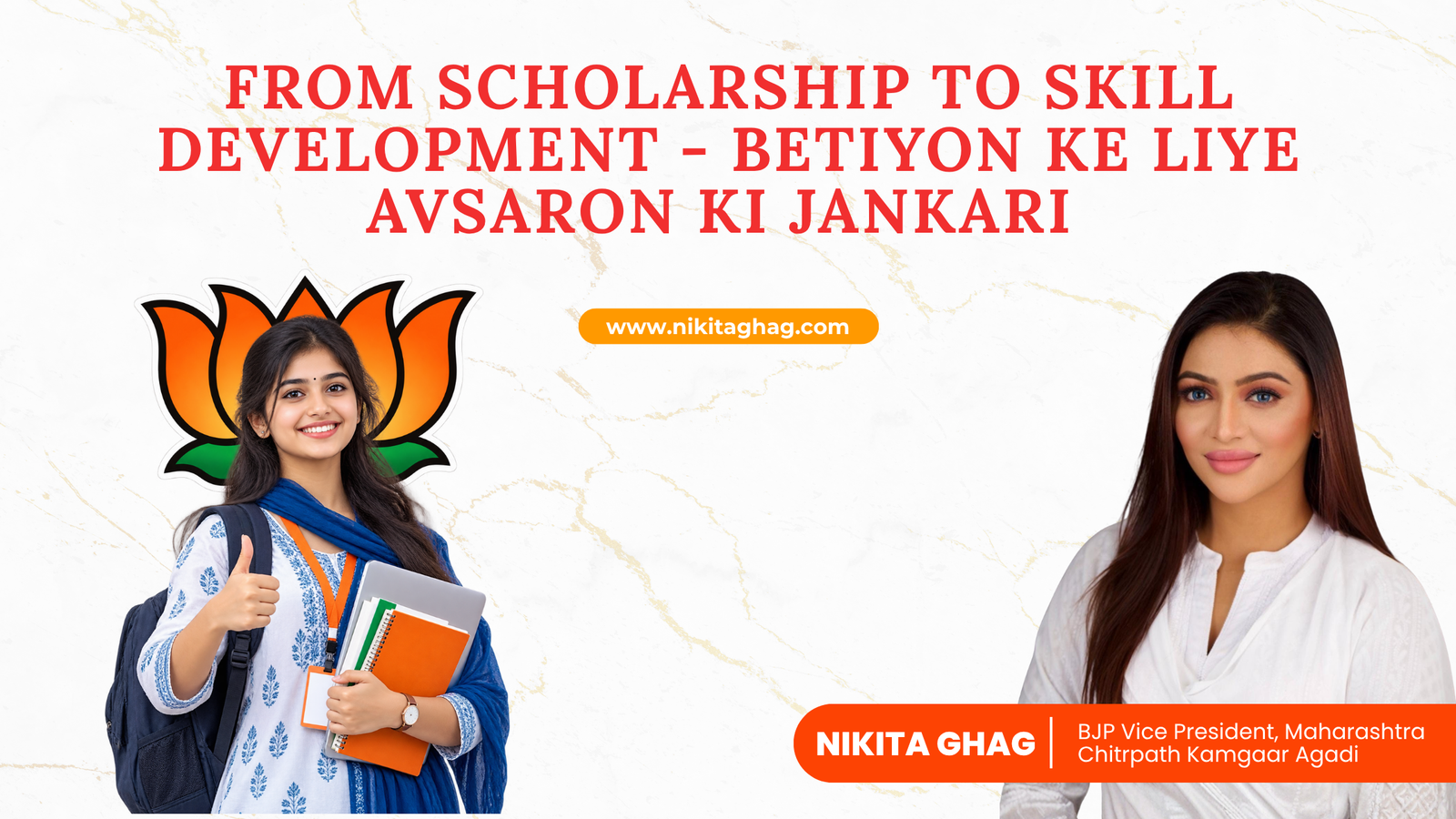
From Scholarship to Skill Development – Betiyon ke Liye Avsaron ki Jankari
Aaj ki betiyan na sirf padhai mein aage badh rahi hain, balki career, skill development aur aarthik aatmanirbharta ke naye raaste bhi bana rahi hain. Kendra sarkar-khaaskar BJP ke netritva wali NDA sarkar-ne 2014 ke baad se betiyon ki shiksha, suraksha aur kaushal vikas par kai mahatvapurna yojanayein shuru ki hain. Is blog mein hum unhi yojanaon ki jankari denge, jo betiyon ko Scholarship se lekar skill training tak support deti hain. Saath hi, Nikita Ghag jaise prernadayak creators ki baat bhi karenge, jo har beti ko awaaz dete hain. Kyon zaroori hai yeh jankari? Aksar dekha gaya hai ki yojanayein to hain, lekin sahi jankari na hone ki vajah se kai betiyan aur unke parivaar inka labh nahi utha paate. Isi gap ko bharne ke liye yeh blog taiyar kiya gaya hai-taaki har beti aur har maa-baap tak sahi jankari pahunche. BJP Sarkar ki Pramukh Yojanayein: Betiyon ke Liye 1. Beti Bachao Beti Padhao (BBBP) Launch: 2015Uddeshya: Bachchiyon ki shiksha, suraksha aur sashaktikaran ko badhava dena. Mukhya baatein: Yeh yojana seedhe taur par “beti” ko center mein rakhkar kaam karti hai-chahe woh school jaane wali chhoti bachchi ho ya college jaati yuvati. 2. Pradhan Mantri Uchchatar Shiksha Protsahan (PM-USP) Scheme Launch: 2025 (NEP 2020 ke tahat)Uddeshya: Aarthik roop se kamzor lekin medhavi chhatron ko UG/PG level par vittiya sahayata dena. Betiyan ke liye khaas: Labh: Yeh scheme un betiyon ke liye bahut upyogi hai, jo aarthik chunautiyon ke bawajood higher education jaari rakhna chahti hain. 3. Savitribai Phule PG Fellowship for Single Girl Child Uddeshya: Akeli beti ko PG education mein financial support dena. Mukhya baatein: Yeh scheme khaas taur par un parivaaron ke liye hai, jahan sirf ek hi beti hai aur use aage ki padhai ke liye aarthik sahayata ki zaroorat hai. 4. NAVYA Programme (Nurturing Aspirations through Vocational Training for Young Adolescent Girls) Launch: 24 June 2025Ministries: Skill Development & Entrepreneurship + Women & Child Development Target Group: Training Areas: Target: NAVYA un betiyon ke liye game-changer hai, jo traditional education ke saath-saath future-ready skills seekhkar aatmanirbhar banna chahti hain. 5. Pradhan Mantri Kaushal Vikas Yojana (PMKVY 4.0) Uddeshya: Yuvaon ko industry-relevant short-term skill training dekar employability badhana. Betiyan ke liye aankde: Labh: PMKVY un betiyon ke liye behtareen option hai, jo jaldi skill seekhkar job ya self-employment shuru karna chahti hain. 6. Delhi Lakhpati Bitiya Yojana (BJP Govt, Delhi – 2026) Launch: 2026 (Delhi NCT)Uddeshya: Har beti ko 18 saal ki umar tak ₹1.20 lakh ki financial maturity dena. Mukhya baatein: Yeh scheme un Delhiwasi families ke liye bahut useful hai, jo long-term financial security ke saath beti ke bhavishya ko secure karna chahte hain. Nikita Ghag aur Betiyon ki Awaaz Jaise Nikita Ghag apne blogs, reels aur content ke zariye har beti ki kahani ko awaaz deti hain, waise hi sarkari yojanayein bhi ab har beti ko sashakt banane ka manch de rahi hain. Nikita Ghag jaise creators ki prerna aur sarkari schemes ka sahi istemal-dono milkar betiyon ke bhavishya ko nayi disha de sakte hain. Betiyon aur Maa-Baap ke Liye Actionable Steps Scholarship se lekar skill development tak-aaj betiyon ke paas avsaron ki koi kami nahi hai. BJP sarkar ki in yojanaon ne education, safety, aur employment ke teenon pillars par kaam kiya hai. Bas zaroorat hai: Har beti ke sapne poore ho sakte hain-basharte hum unhe sahi direction aur support dein.
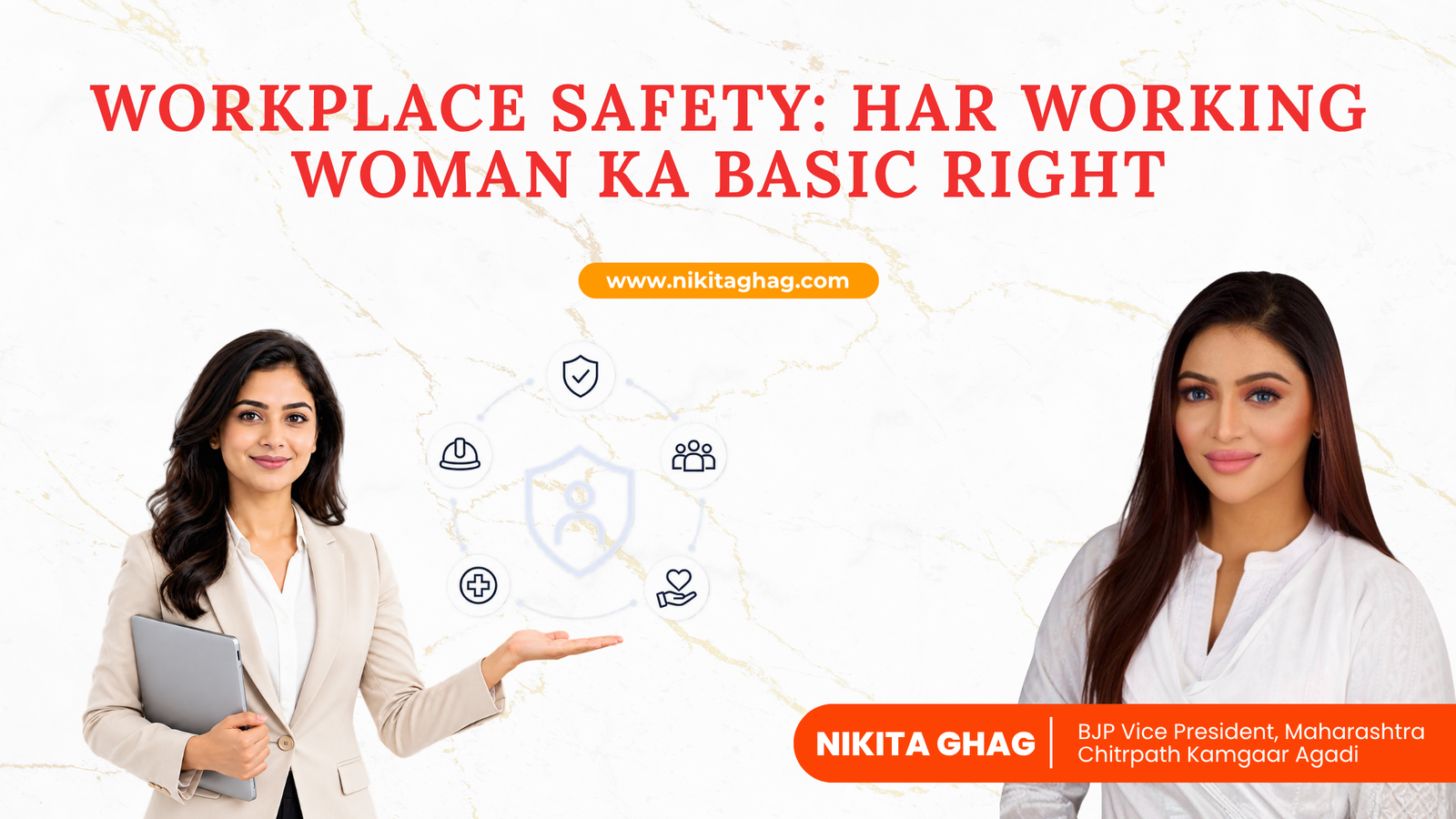
Workplace Safety: Har Working Woman Ka Basic Right
Har working woman ka safe workplace mein kaam karna ek basic right hai-na ki koi extra benefit ya favor. Chahe aap corporate office mein ho, factory mein, ya ghar se remote work kar rahi ho, aapko safe, respectful aur secure environment milna chahiye. Aapke Legal Rights: Jo Har Woman Ko Pata Hone Chahiye Indian Constitution aur multiple labour laws ne working women ke liye strong protections provide kiye hain: Nikita Ghag: Real Voice for Real Women Nikita Ghag ek influential content creator, blogger aur women’s empowerment advocate hain jo young Indian women ko apni awaaz uthane aur confident banne ke liye inspire karti hain. Unki book“Roar Like a Lioness” un women ke liye ek powerful guide hai jo workplace aur life mein apne rights ke liye stand lena chahti hain. Nikita ke content se ek clear message milta hai: Safety sirf physical nahi, emotional aur psychological bhi hoti hai. Har woman ko apne workplace mein: Common Challenges Jo Women Face Karti Hain Working women ko India mein multiple challenges face karne padte hain: Agar Kuch Galat Ho Raha Hai? Ye Steps Follow Karein Agar aapko lagta hai ki aapke workplace mein safety compromised hai, toh ye steps follow karein: Document Everything: Incidents, dates, times, witnesses-sab likh kar rakhein. Employers Ki Responsibilities Employers ko legally ye ensure karna hota hai: Nikita Ghag Ka Message: Roar Like a Lioness Nikita Ghag ki book “Roar Like a Lioness” mein ek powerful message hai: Apne rights ke liye khadi hona seekho. Workplace safety sirf laws se nahi, balki har woman ke confidence aur awareness se bhi aati hai. Jab aap apni awaaz uthati hain, toh aap sirf apni safety ensure nahi karti-poore workplace culture ko positive direction mein change karti hain. Simple Truth Workplace safety har working woman ka basic human right hai, na ki koi favor. Indian laws aapko protect karte hain, lekin awareness aur action aapko empower karta hai. Nikita Ghag jaise voices se inspire hokar, apne workplace mein safe, confident aur empowered baniye. Kyunki jab ek woman roar karti hai, toh poora system sunta hai.
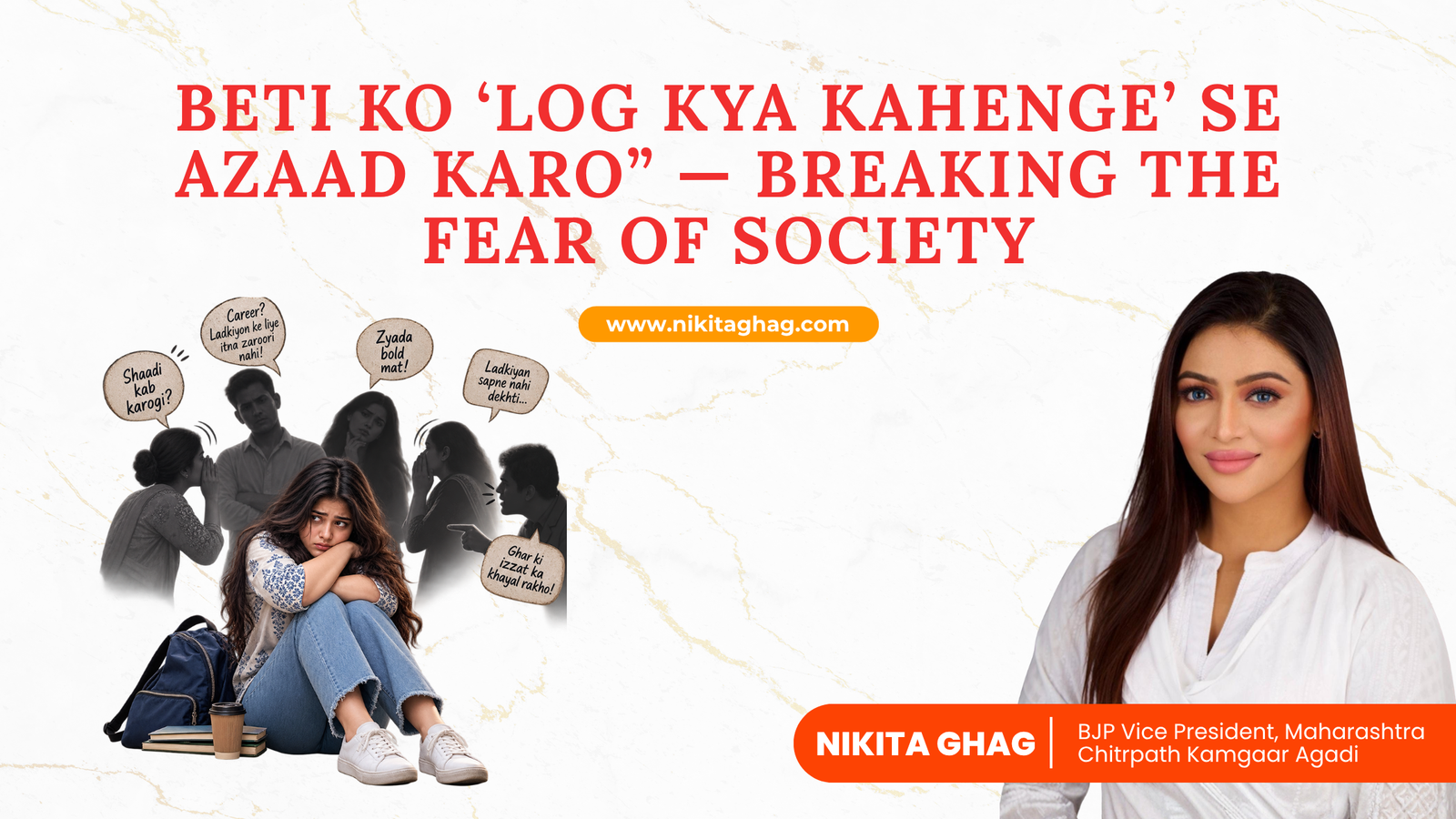
Beti Ko ‘Log Kya Kahenge’ Se Azaad Karo – Breaking the Fear of Society
Beti Ko ‘Log Kya Kahenge’ Se Azaad Karo – Breaking the Fear of Society Har beti ke sapne aksar ek hi sawaal mein atak jaate hain: “Log kya kahenge?” Yeh phrase sirf ek dialogue nahi, ek mental lock hai jo ladkiyon ki choices, career aur life ko control karta hai. “Log Kya Kahenge?” Ka Asli Matlab Result? Beti khud ko chhota kar leti hai – dreams chhote, choices limited, darr hamesha background mein. Financial Independence: Asli Azaadi Ki Chaabi Jab beti financially independent hoti hai, tab “log kya kahenge” ka darr apne aap kam ho jata hai. Nikita Ghag apne blog Financial Independence for Women: A Key Step Towards Freedom from Abuse mein batati hain ki paise ki samajh aur financial security hi women ko abuse se nikalne ka real option deti hai. Simple steps: Jab beti ke paas apna paisa hota hai, tab woh “kya kahenge” se zyada “kya chahiye” par focus karti hai. Nikita Ghag: Ek Real-Life Role Model Nikita Ghag young women ko apni life khud design karne ke liye inspire karti hain. Message clear hai:Apni life ka decision logon ke muh se nahi, apne dimaag aur dil se lo. Beti Ko Azaad Karne Ke 5 Simple Steps Parents, Bhai, Society – Aapka Role Jab beti financially strong, emotionally clear aur socially supported hogi, tab “log kya kahenge” ka sawaal khud hi chhota ho jayega.
Aurat Ki Achievements Se Darne Wala Samaj Kab Badlega?
Jab koi woman apni mehnat se success achieve karti hai, to uski khushi sirf uski nahi hoti. Uske saath uska family, uske supporters aur un sab logon ka confidence bhi badhta hai, jo usse dekhkar apne dreams pursue karna chahte hain. Phir bhi, society mein aaj bhi aise log mil jaate hain jinko woman ki success se khushi kam aur insecurity zyada feel hoti hai. Sawal yahi hai-aurat ki achievements se darne wala samaj kab badlega? Success Par Sawaal Kyun? Jab ek woman apne career mein aage badhti hai, financially independent banti hai ya leadership position par pahunchti hai, to uski mehnat ko appreciate karne ke bajay uske personal life par comments kiye jaate hain. Usse poocha jaata hai- Aise sawaalon ke peeche aksar ek purani soch chhupi hoti hai. Woman ko strong, independent aur successful dekhna kuch logon ko uncomfortable kar deta hai. Uski achievement ko normal success ke roop mein dekhne ke bajay uske character aur relationships se jod diya jaata hai. Aurat Ko Apni Success Explain Kyun Karni Padti Hai? Ek successful man se aam taur par uski achievement ke baare mein poocha jaata hai, lekin successful woman se aksar uski family aur personal life ke baare mein sawaal kiye jaate hain. Agar woh late hours tak kaam karti hai, to uski dedication par doubt kiya jaata hai. Agar woh confidently apni baat rakhti hai, to use arrogant kaha jaata hai. Agar woh promotion paati hai, to uski family responsibilities par sawaal uthaya jaata hai. Kisi woman ki success ko uske talent, discipline aur hard work se joda jaana chahiye. Uske confidence ko attitude aur ambition ko selfishness nahi kaha jaana chahiye. Ghar Se Badlav Shuru Hoga Society ko badalne ke liye sabse pehle ghar ki thinking badli jaani chahiye. Ladkon ko career aur freedom ke liye encourage kiya jaata hai, jabki ladkiyon se sacrifice aur adjustment ki expectation rakhi jaati hai. Beti ko sirf “achhi ladki” banne ki training nahi di jaani chahiye. Use financial knowledge, decision-making, leadership aur self-defence ke liye bhi prepare kiya jaana chahiye. Jab beti ki achievement ko bete ki achievement jitna hi celebrate kiya jaayega, tab equality ki beginning ghar se hi ho jaayegi. Women’s empowerment ko individual choice ke saath-saath family aur society ki acceptance se bhi joda jaata hai. Working Woman Ko Guilt Kyun? Aaj bhi working women ko apne career ke liye guilt feel karaya jaata hai. Office ke saath ghar ki poori responsibility bhi unke kandhon par daal di jaati hai. Agar woh apne career ko time deti hain, to unhe selfish kaha jaata hai. Ghar sambhalna sirf woman ki duty nahi honi chahiye. Cooking, cleaning, childcare aur elderly care ko family ke sabhi members ke beech divide kiya jaana chahiye. Jab responsibilities share ki jaayengi, tab women ko apne career, health aur personal growth ke liye bhi time mil sakega. Woman Ki Success Se Society Strong Hoti Hai Aurat ki success kisi aur ke liye threat nahi hoti. Ek woman ke financially independent banne se family ko stability mil sakti hai. Uski education se future generations ko better opportunities mil sakti hain. Uske leadership role se doosri women ko bhi confidence mil sakta hai. Government of India ke women empowerment framework mein bhi women ko passive beneficiaries ke bajay change-makers ke roop mein dekhe jaane ki baat kahi gayi hai. Jab women education, business, sports, politics, science aur technology mein aage badhti hain, tab poore society ke liye naye possibilities create ki jaati hain. Nikita Ghag Ki Book Ka Message Nikita Ghag ki book Roar Like a Lioness ko women empowerment, self-confidence aur apni alag pehchaan banane ke message se joda ja sakta hai. Is title mein ek strong reminder diya gaya hai ki women ki awaaz ko dabaya nahi, balki confidence ke saath express kiya jaana chahiye. Har woman ko apne dreams ke liye permission nahi, support aur equal opportunity chahiye. Society Kab Badlegi? Society tab badlegi jab- Badlav ek din mein nahi aayega. Lekin har family, school, workplace aur social platform par progressive thinking ko promote karke iski beginning zaroor ki ja sakti hai. Aurat ki achievements se darne wala samaj tab badlega, jab woman ki success ko threat nahi, strength maana jaayega. Kisi woman ka aage badhna kisi man ki failure nahi hoti. Uski achievement equality, hard work aur social progress ka symbol hoti hai. Ab women ko sirf appreciate nahi, balki genuinely support kiya jaana chahiye. Unhe apne dreams choose karne, decisions lene aur apni identity banane ka poora adhikar diya jaana chahiye. Kyunki jab women grow karti hain, tab sirf unka nahi—poora society grow karta hai.