
Introduction
Women’s safety continues to be one of the most pressing social and political issues in India. From urban cities to rural communities, concerns around harassment, discrimination, and unequal opportunities still persist. In this landscape, strong leadership and consistent advocacy are essential to create meaningful change.
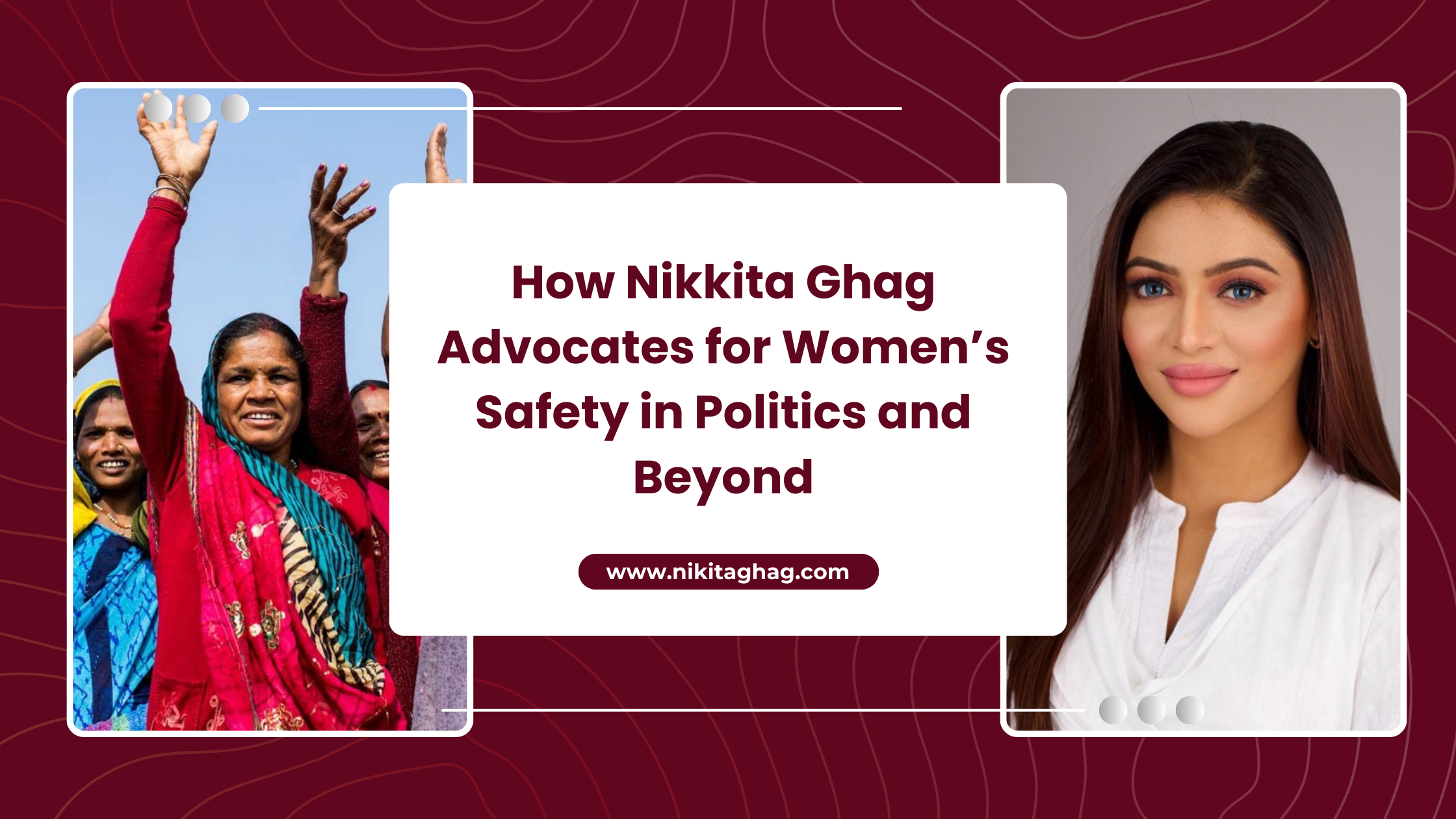
One emerging voice in this space is Nikkita Ghag, a leader who is actively working to raise awareness about women’s safety, empowerment, and equal participation in society. Through her initiatives, public engagement, and policy advocacy, she is striving to build a safer and more inclusive environment for women — both in political spaces and everyday life.
Her work reflects a broader mission: ensuring that women feel safe, respected, and empowered to participate fully in society.
Who is Nikkita Ghag?
Nikkita Ghag is increasingly recognized for her efforts in advocating women’s safety, empowerment, and leadership participation. She believes that true progress in society can only be achieved when women feel secure and have equal opportunities to contribute in every sphere.
Her advocacy goes beyond speeches or symbolic gestures. It focuses on practical engagement with communities, awareness campaigns, and encouraging conversations around issues that directly impact women.
Through her public initiatives, she highlights the importance of creating systems that support women’s safety — whether in public spaces, workplaces, educational institutions, or political environments.
Why Women’s Safety Remains a Critical Issue in India
Despite progress in education, employment, and legal reforms, women still face several safety challenges.
Some of the key issues include:
- Harassment in public spaces
- Workplace discrimination and safety concerns
- Online harassment and cyber abuse
- Limited representation in leadership and politics
- Lack of awareness about legal protections
Addressing these issues requires both policy reforms and cultural change. Leaders like Nikkita Ghag emphasize that improving women’s safety is not just a social issue but a national priority.
Nikkita Ghag’s Approach to Women’s Safety Advocacy
Nikkita Ghag approaches women’s safety through a multi-dimensional strategy that includes awareness, policy advocacy, and community engagement.
1. Raising Awareness Through Public Engagement
One of her key efforts is encouraging open dialogue about women’s safety. Through public events, discussions, and community outreach, she highlights real challenges faced by women.
These conversations are crucial because awareness is often the first step toward change.
When communities become aware of safety issues and their impact, they are more likely to support reforms and encourage safer environments.
2. Encouraging Women’s Participation in Politics
A significant part of Nikkita Ghag’s advocacy focuses on increasing women’s representation in political leadership.
Women leaders can bring unique perspectives to policy-making, particularly when it comes to issues affecting women and families.
By encouraging more women to participate in governance, she aims to ensure that policies are inclusive and responsive to women’s needs.
Greater representation also inspires younger generations of women to pursue leadership roles.
3. Promoting Safer Public Spaces
Creating safe public environments is another important aspect of her work.
This includes advocating for:
- Better street lighting
- Improved public transportation safety
- Increased surveillance and security infrastructure
- Stronger enforcement of safety laws
Such initiatives help ensure that women feel safe traveling, working, or studying in different parts of the city.
4. Supporting Education and Awareness Programs
Education plays a crucial role in changing societal attitudes.
Nikkita Ghag supports initiatives that promote:
- Awareness about women’s rights
- Legal literacy regarding safety laws
- Self-defense training programs
- Gender sensitivity education
These programs empower women with knowledge and confidence while also educating society about respect and equality.
The Role of Women Leaders in Driving Social Change
Women leaders bring valuable perspectives to governance and policy development.
When women hold leadership positions, it often leads to:
- Greater focus on social welfare policies
- Increased attention to safety and healthcare
- More inclusive decision-making processes
- Policies supporting education and equal opportunities
Leaders like Nikkita Ghag represent a growing movement of women who are reshaping leadership roles and advocating for safer, more equitable societies.
Impact Beyond Politics
Nikkita Ghag’s advocacy extends beyond political platforms.
Her influence is also visible in community engagement and social awareness initiatives. These efforts aim to strengthen grassroots support for women’s safety.
Some of the broader impacts include:
- Encouraging discussions around gender equality
- Inspiring young women to take leadership roles
- Promoting community-driven safety initiatives
- Strengthening networks supporting women’s rights
By connecting policy discussions with community action, she is helping bridge the gap between governance and real-world impact.
The Importance of Collective Responsibility
Ensuring women’s safety cannot be the responsibility of one individual or organization. It requires collaboration between government institutions, community leaders, law enforcement agencies, and citizens.
Advocates like Nikkita Ghag emphasize that society as a whole must participate in creating safer environments.
This includes:
- Supporting policies that promote safety
- Encouraging respectful behavior in public spaces
- Educating future generations about equality
- Holding institutions accountable for protecting citizens
Only through collective efforts can long-term change be achieved.
The Future of Women’s Safety Advocacy
India is witnessing a gradual shift toward greater awareness of gender issues and safety concerns. However, much work remains to be done.
Advocates such as Nikkita Ghag are contributing to this progress by keeping the conversation active and encouraging action at multiple levels.
The future of women’s safety advocacy will likely focus on:
- Stronger legal protections
- Technology-driven safety solutions
- Greater political participation of women
- Increased community awareness
These changes can help build a society where women feel confident and secure in pursuing their ambitions.
Conclusion
Women’s safety is not just a social issue — it is a fundamental requirement for a progressive and equitable society.
Through her advocacy and community engagement, Nikkita Ghag is contributing to the ongoing efforts to create safer spaces for women in politics and beyond. By encouraging awareness, supporting policy reforms, and empowering women to take leadership roles, she represents a voice working toward meaningful change.
Her efforts highlight an important message: when women feel safe and empowered, society as a whole becomes stronger and more inclusive.